Quellow
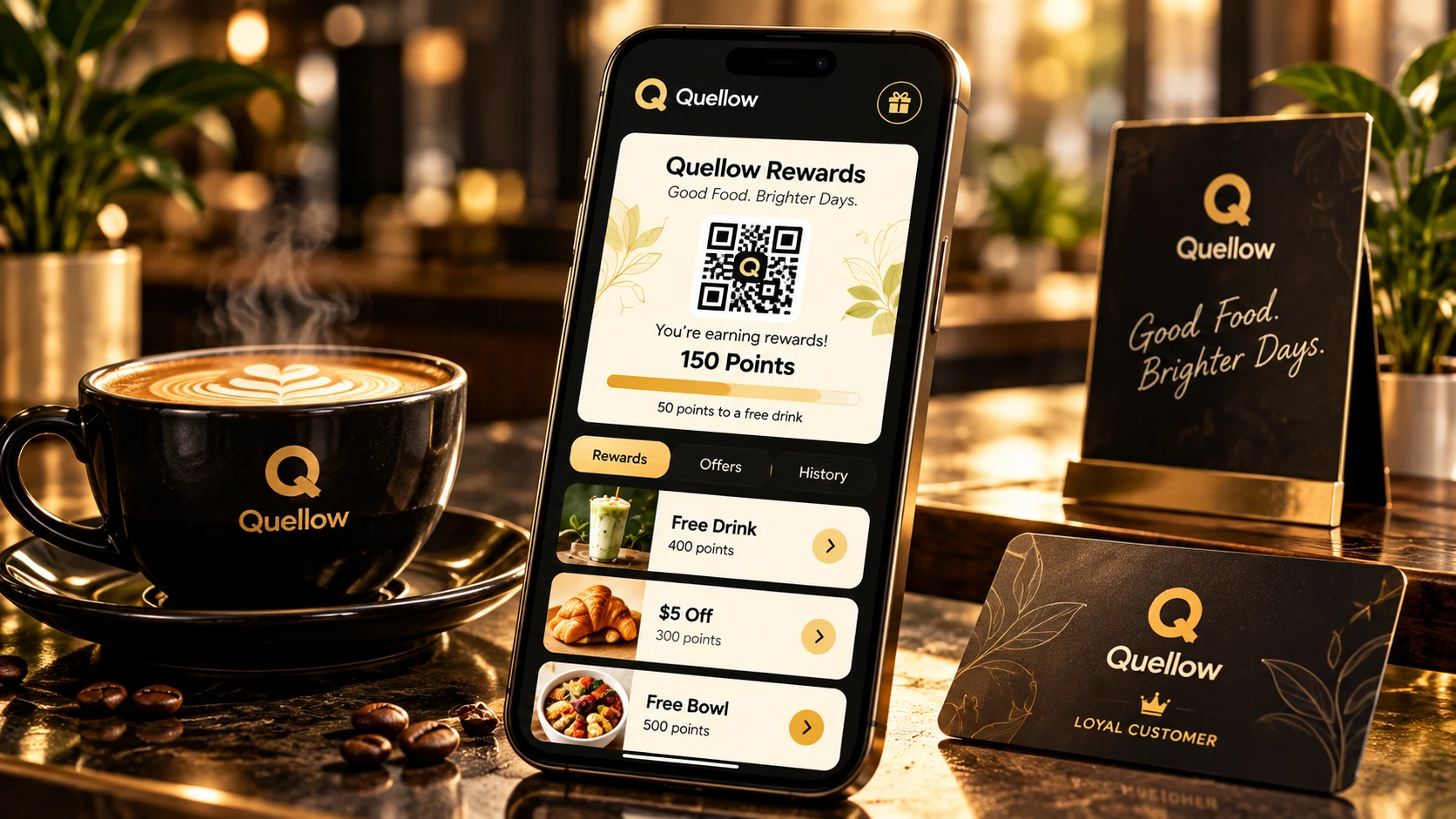
A loyalty program should do two things: give regulars a reason to return, and tell you who they are. Punch cards do the first until they're lost in a coat pocket. Branded apps do both, but only for the few people willing to install yet another app.
Phone-number loyalty solves both problems with something every customer already carries.
How phone-number loyalty works
At checkout, a customer gives their phone number. That's it. Points attach to the number, with no card to carry and nothing to download. On a Quellow kiosk, the voice assistant can even offer it, and rewards can be used right at checkout.
Why it beats the alternatives
- Less friction. Joining takes seconds at the counter.
- Works everywhere. The same number works at the register, kiosk and on the phone.
- Real data. You can finally see visit history rather than an anonymous stamp.
- Less fraud. There are no stamps for people to duplicate.
Designing rewards that work
A loyalty program doesn't have to be complicated. Follow a few rules.
Keep the first reward close
People are more motivated when they feel they've already started. Make the first reward reachable within a few visits, so the habit forms early.
Reward what you want more of
Want more weekday visits? Offer double points on Tuesdays. Want people to try a new item? Attach bonus points to it.
Calculate the cost
As an illustration only, if a free $5 coffee comes after 10 visits at $5 each, you've given back $5 on $50 in sales. In terms of cost of goods, it's far less than that, and those 10 visits may not have happened otherwise.
Turning members into a marketing channel
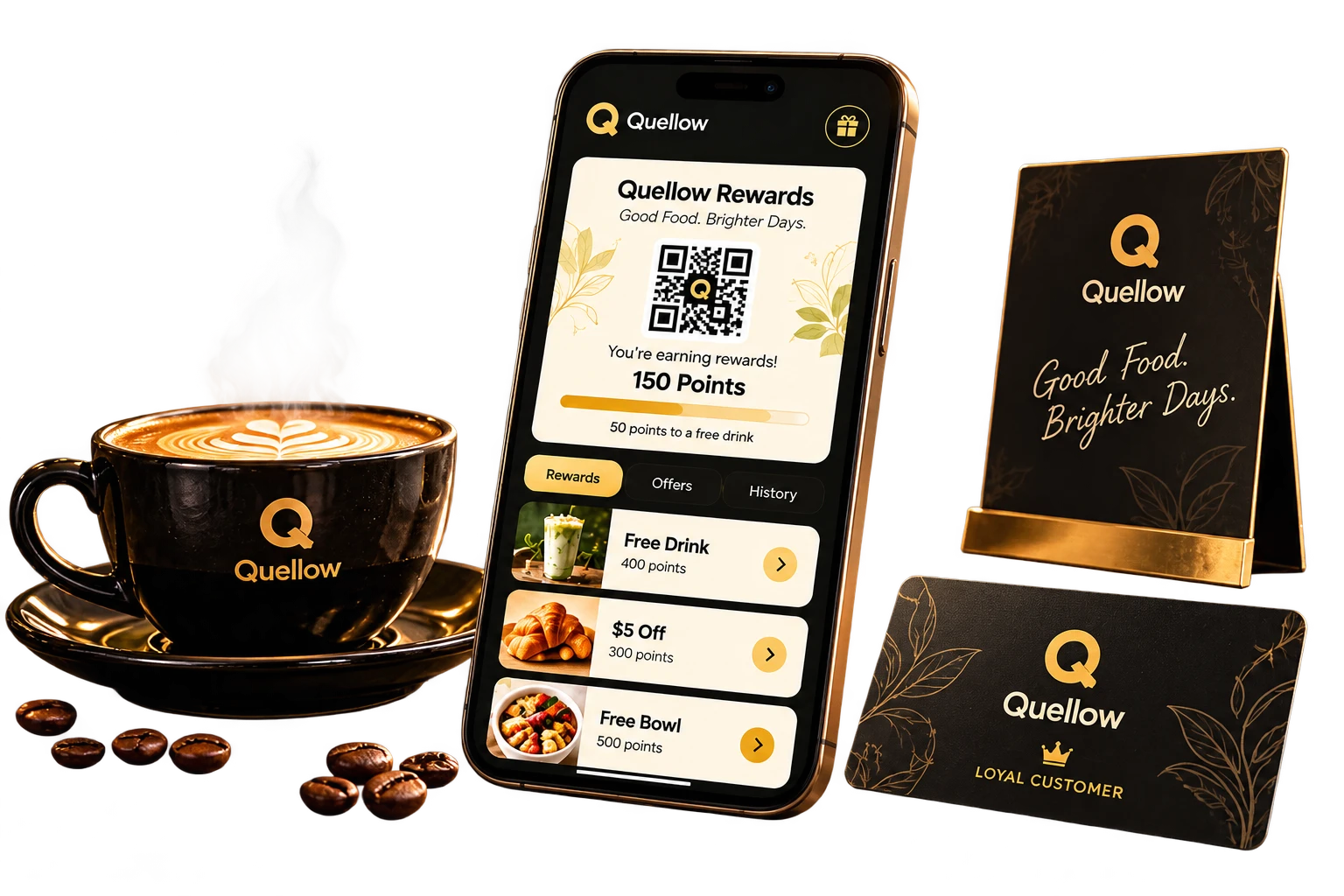
The list you build is one of the most valuable parts of a loyalty program. With consent, you can send a birthday treat or a seasonal offer, and the Win-Back agent can spot members who've stopped coming.
Getting staff on board
Your team decides whether a program takes off. Make one simple line part of every sale:
It's short, it isn't pushy and it works whether the answer is yes or no. Put a small sign on the counter or a slide on your digital menu board too.
Mistakes to avoid
- Rewards so distant that nobody reaches them
- Complicated point values
- Discounting on every visit
- Collecting numbers and never using them
How to measure success
Track the number of active members, how often members visit compared with non-members, and how many rewards are redeemed. A high enrollment number with few redemptions suggests the rewards are too far away.
Starting this week
Set one simple reward, train the team on one line and put up one sign. You can refine things later. A basic program running today beats a perfect one still being planned next quarter.