Quellow
Owners rarely lose their days to the big decisions. They lose them to small tasks: returning a call, counting a drawer, checking what's left of the oat milk. Each takes a few minutes. Together they swallow the day.
This walk-through imagines a day at a fictional neighborhood restaurant running on Quellow's AI agents. The restaurant is invented, but every agent described here is part of the product.
7:30 am: the morning brief
Before opening, the owner gets a brief from Quellow Manager: how yesterday went, what changed and the three things worth doing today. Every number is computed from the business's own records, so a report doesn't need double-checking against the POS.
Sections only appear for the modules in use, and empty ones are skipped. It takes two minutes to read rather than twenty minutes of opening dashboards.
9:00 am: stock is already in hand
The Stock Keeper has seen that a key ingredient will run out before the next delivery. It has drafted a purchase order, which the owner reviews and approves. Buying always waits for a person. Without this, somebody would have found out at lunch.
11:30 am: the phone stops being a problem
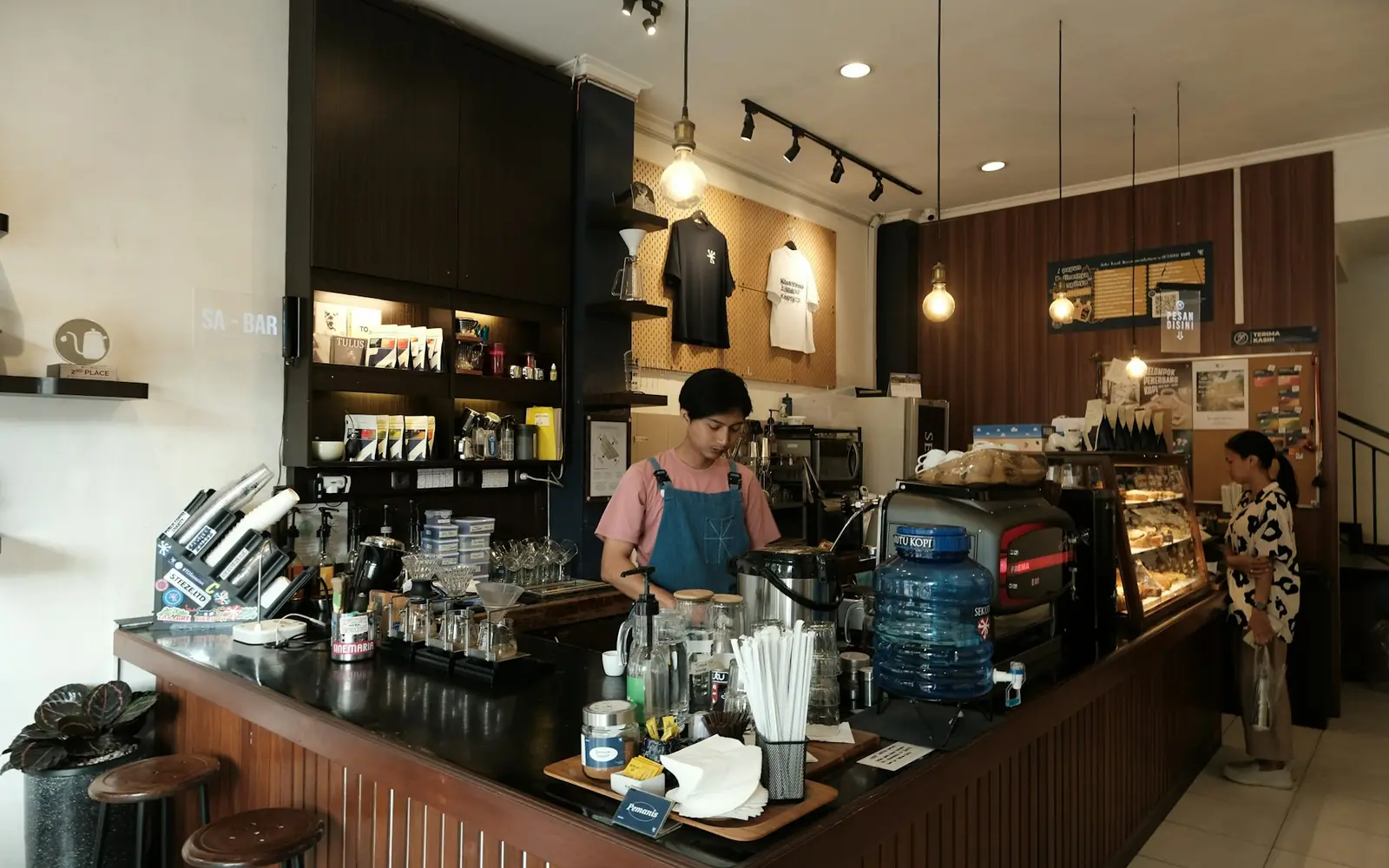
The lunch rush arrives and the phone rings. The AI phone agent answers, takes the order with the right modifiers, and sends it to the same queue as the register. If a caller hangs up before getting help, Missed-Call Callback sends one friendly text.
12:15 pm: promises stay honest
Orders are stacking up. Rush Control works out the current load from open orders and prep times, and keeps pickup times realistic. Customers get a time they can trust, and the kitchen gets breathing room.
Meanwhile, Board Autopilot keeps the digital menu boards in step with the day, and a sold-out item disappears from the screens rather than disappointing people at the counter.
3:00 pm: quiet hours do the marketing
During the lull, the Marketing Manager suggests a campaign, and Win-Back finds regulars who have stopped coming and invites them back with an offer the owner approved. The owner reads the draft, changes one line and approves it. We cover this in depth in how to bring back lapsed customers automatically.
4:30 pm: next week's rota
Shift Planner builds a draft schedule from the last four weeks of demand on the same weekdays and hours, plus staff availability. It doesn't use guesswork or AI here, only a solver. The manager moves two shifts and publishes it, in a fraction of the time a blank spreadsheet takes.
10:00 pm: closing out
At close, Closeout compares counted and expected cash in each drawer, explains any difference it can and totals tips. Loss Guard looks for patterns in voids, discounts and no-sale drawer opens across two weeks. It doesn't accuse anyone. It flags a rate that stands out, so a manager can take a look.
What changed
Nobody was replaced in this story. The cook cooked, the servers served and the owner decided. What disappeared was the checking, chasing and copying between systems.
How to get there
You don't need all of these on day one. A sensible order is:
- Start with the phone agent and missed-call texts.
- Add reminders or stock forecasting, depending on your business.
- Turn on the morning brief once you have a few weeks of data.
- Add marketing and staffing agents once the basics feel routine.
Each of these works better when your orders, customers and stock live on one platform, because the agents can see the whole picture.